Heavy equipment can help your business take on bigger jobs, serve more customers, and get more work done. But there’s one big problem: the cost. Excavators, loaders, cranes, dump trucks, and other machines are expensive. Buying one outright can eat up the cash you need for payroll, supplies, repairs, and everyday bills.
That’s why many Arizona business owners turn to heavy equipment financing. It lets you spread the cost out over time instead of paying it all at once.
Financing is already a normal part of running a small business. According to the Federal Reserve’s 2026 Report on Employer Firms (based on the 2025 Small Business Credit Survey), 60% of small employer firms applied for some form of financing in the prior 12 months. Businesses said they needed it to cover everyday costs and to grow into new opportunities.
If your Arizona business is thinking about buying new machinery, it helps to know what you can finance, how the process works, what lenders look at, and how buying used or auction equipment changes things.
What Types of Heavy Equipment Can Businesses Finance?
You can finance many kinds of machines used in construction, farming, transportation, manufacturing, landscaping, and other industries. The type of equipment you need can affect how the financing is set up, so it helps to know exactly what you’re looking for before you apply.
Common types include:
Excavators
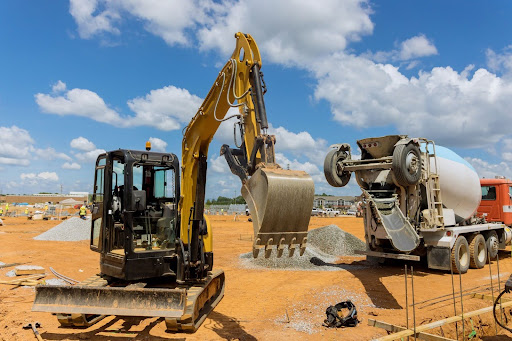
Excavators dig, trench, break down old structures, and move material around. They’re a big investment for contractors who need dependable equipment for regular projects.
Bulldozers
Bulldozers clear land, level ground, and push dirt or other materials out of the way. Because they cost so much, financing can make sense for businesses that need one for ongoing work.
Loaders
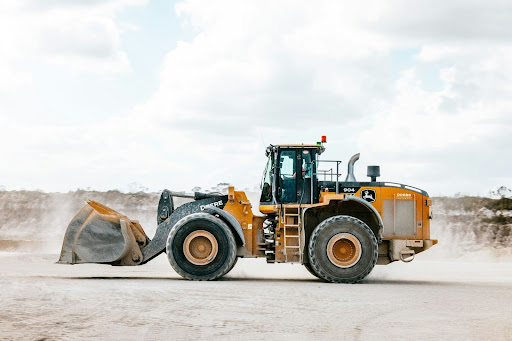
Wheel loaders and similar machines move dirt, gravel, construction debris, and other materials. You’ll see them used in construction, mining, farming, and warehouses.
Backhoes
Backhoes dig and load in one machine. That makes them handy for contractors, utility crews, and construction or excavation jobs.
Cranes
Cranes lift and move heavy materials. Depending on the size and type, a crane can be a major purchase.
Forklifts and other machinery
Warehouses, factories, distributors, and similar businesses often need forklifts and other specialized equipment to move materials or keep production moving.
Other machines you can often finance include dump trucks, skid steers, tractors, farm equipment, and other specialized tools.
The price tag isn’t the only thing that matters. The equipment’s age, condition, expected lifespan, who’s selling it, and how you plan to use it can all affect the financing process.
How Does Heavy Equipment Financing in Arizona Work?
The process usually starts with figuring out what equipment you need and how much you’ll need to finance. Some owners already know exactly which machine they want. Others start with a budget first and compare equipment that fits it.
Once you know the equipment and the price, your financing provider will likely ask for some information about your business and its finances. This helps them decide what financing terms they can offer.
Here’s a general idea of the steps:
- Pick your equipment – Decide on the machine, the seller, the price, the condition, and how you’ll use it.
- Work out how much you need to finance – Think about the price, how much cash you have on hand, whether you can make a down payment, and any other costs tied to buying the equipment.
- Fill out an application – Give the financing provider the business and financial information they ask for.
- Look over the terms – Check the payment amount, the interest rate, how long you’ll be paying, any fees, and other conditions.
- Finish the deal – Once you’re approved and the paperwork is done, you can use the financing based on the agreed terms.
You may run into several types of equipment financing while researching your options in Arizona. The terms can be very different from one lender to the next, so it’s smarter to compare the total cost rather than just look at the monthly payment.
Some businesses use SBA-backed financing. The 7(a) program can fund machinery and equipment purchases and installation, plus other needs. The 504 program offers long-term, fixed-rate loans for major fixed assets, mainly owner-occupied commercial real estate and long-life equipment (typically 10+ years).
What Financing Options Are Available for Heavy Equipment?
The best option for you depends on your business, your equipment, and the terms you’re offered. Here are some options you might come across.
Equipment loans
An equipment loan pays for the machine, and you make payments over time based on your loan agreement. Depending on how it’s set up, the equipment itself may back the loan.
Equipment leases
A lease lets you use the equipment while you make payments under a lease agreement. What happens at the end of the lease, and who owns the equipment, can vary a lot. Read the agreement closely before you choose this route.
SBA-backed financing
Some businesses that qualify can look into SBA loan programs. The SBA says its 7(a) program can help pay for machinery and equipment, while its 504 program offers long-term, fixed-rate financing for certain big fixed assets.
Right now, the SBA 504 program allows loans up to $5.5 million. It can be used for long-term machinery and equipment that still has at least 10 years of useful life left, as long as it meets program rules. Loan terms come in 10, 20, or 25 years.
Used machinery usually costs less than new equipment, which can lower your upfront price. But the equipment’s age, condition, value, and remaining useful life will still be part of the review.
You can check out CharterAZ’s financial products to compare the types of equipment financing available for different situations.
It’s also worth looking at the total cost of financing, not just the monthly payment. A longer repayment period can lower what you owe each month, but you may end up paying more interest overall.
What Do Lenders Consider When Financing Heavy Equipment?
Applying for heavy equipment loans in Arizona doesn’t guarantee you’ll get approved. Lenders look at several parts of your application before deciding whether to offer financing and what terms to give you.
Business history
How long you’ve been in business gives lenders a sense of your track record and how well you handle your finances. Newer businesses may have less history for lenders to review.
Revenue and cash flow
Your business needs enough cash coming in to cover normal expenses and still make financing payments. Revenue alone doesn’t tell the whole story, your expenses and existing debts matter too.
Credit history
Depending on the deal, a lender may look at your business credit, your personal credit, or both. Your credit history shows how you’ve borrowed and repaid money in the past.
Equipment details
Lenders also look at the equipment itself, including the price, type, age, condition, seller, and how much useful life it has left.
Existing obligations
Loans and other financial commitments you already have can affect how much more your business can take on. According to the Federal Reserve’s 2025 Report on Employer Firms (based on the 2024 Small Business Credit Survey), 41% of firms that were denied all or some of the financing they requested said it was because they already had too much debt, up from 22% in 2021.
This doesn’t mean you need perfect credit or zero debt to apply. It just means you should have a clear, honest picture of your current finances and give accurate information when you apply.
Can You Finance Used or Auctioned Heavy Equipment?
New machinery isn’t your only choice. Used equipment usually costs less and might be a smart option if you need a specific machine but want to keep the upfront cost down.
Financing used heavy equipment comes with a few extra things to think about. The age and condition of the machine can affect its value and how much life it has left. Paperwork matters too, especially if you’re buying from a private seller or at an auction.
If you’re considering used machinery, take a look at used equipment financing alongside the cost and condition of the equipment you want.
For example, a five-year-old excavator with clear ownership history and maintenance records is a very different situation than an older machine with little paperwork. Before you buy, gather as much information about the equipment as you can.
Auctions call for similar homework. Auctions can give you access to good used machinery, but the process can move fast. Know the auction’s payment terms, look closely at whatever equipment information is available, and set a firm limit on how much you’re willing to spend.
If you’re thinking about buying at auction, check out equipment auction financing to see how you might fund the purchase.
Remember to plan for costs beyond the winning bid. Transportation, inspections, repairs, taxes, registration, and other fees can add up before the equipment is ready to use.
Used equipment can be a smart choice, but a lower price tag doesn’t always mean lower overall costs. Think about maintenance, repairs, how long the equipment will last, and the financing terms together.
How Much Does Heavy Equipment Financing Cost?
There’s no single price tag or payment that fits every equipment purchase. Your final cost depends on things like the equipment’s price, how much you’re financing, your repayment period, your interest rate, your down payment, fees, and your business’s financial history.
Say a business wants to buy equipment priced at $100,000 and plans to put $20,000 down. Before any fees or extra costs, that leaves $80,000 to finance. How long you take to repay that amount affects both your monthly payment and your total cost. A longer term usually means a smaller monthly payment, but you’ll likely pay more interest over time.
How long the equipment will last matters too. You’ll want your repayment period to roughly match how long you expect to actually use the equipment. SBA financing shows how repayment terms can vary from program to program. The SBA currently offers 10-, 20-, and 25-year terms for its 504 program, though the equipment has to meet the program’s rules.
Before you accept an offer, review the whole deal. Here are a few things that would be beneficial to check:
Amount financed
See how much of the equipment cost is covered and how much you’ll need to pay upfront.
Payment amount
Make sure the payment fits comfortably into your normal cash flow.
Repayment period
Think about how long you’ll be making payments and how that compares to the equipment’s expected lifespan.
Interest and fees
Don’t just look at the monthly payment, consider the total cost of the financing.
Ownership terms
Understand when you’ll actually own the equipment, and how that differs between a loan and a lease.
For more on the disclosures and terms that may apply to your financing, visit CharterAZ’s full disclosure.
How Can Arizona Business Owners Prepare for an Equipment Financing Application?
Good preparation makes the whole process smoother. Before you apply, get a clear picture of both the equipment you want and how much of a financial commitment you can handle.
Start with the equipment. Know the seller, the price, the specs, the condition, the age, and how you plan to use it. If it’s used, gather any maintenance records and ownership history you can find.
Next, get your business’s financial information in order. Depending on the lender and the deal, you may need financial statements, bank records, tax returns, business formation documents, or other paperwork.
It also helps to review what you already owe before applying. Knowing your current loan balances, monthly payments, and regular expenses will help you figure out how much more financing your business can reasonably take on.
Think about how the equipment will actually help your business. Will it let you take on more projects, replace something old, cut down on rental costs, or help you finish current work faster?
Before you say yes to any financing offer, compare the main terms and ask about anything that isn’t clear. A lower monthly payment doesn’t always mean a lower total cost, and the shortest repayment period isn’t always the best fit for your cash flow.
Taking the time to prepare gives you a clearer picture of the deal and makes it easier to compare your options. Reviewing CharterAZ’s financial products before you apply can also help you find the financing category that best matches what you’re planning to buy.
Choose Heavy Equipment Financing in Arizona With Confidence
A big equipment purchase can strain your available cash, especially when you need that machine to take on new work or keep current projects moving. Financing spreads the cost out over time, so you can hold onto more cash for everything else your business needs.
Heavy equipment financing in Arizona comes in several forms, and the right one for you depends on your equipment, your finances, your repayment goals, and the terms available to you. Looking closely at the total cost, the payment structure, the equipment’s condition, and the financing requirements can help you make a smarter decision.
CharterAZ offers equipment financing for businesses buying heavy equipment and other commercial assets. If your Arizona business is ready to buy new machinery, review your financing options and reach out to us today.