
Equipment collateral loans are a type of secured financing where a business uses its existing equipment or newly acquired assets as collateral to secure funding. In simple terms, the equipment itself backs the loan—reducing the lender’s risk and making it easier for businesses to secure funding compared to unsecured loans.
Unlike traditional business loans that rely heavily on creditworthiness alone, equipment collateral loans are centered around the value of tangible assets. This means that even businesses with lower credit scores or limited financial history may still qualify, as lenders typically evaluate the equipment value, its current market value, and its overall collateral value when determining loan approval.
How Equipment Collateral Loans Work
At a high level, the process is straightforward:
- A business applies for financing using business equipment as collateral
- The lender evaluates the equipment’s current market value and condition
- Based on that valuation, a loan amount is approved—often a percentage of the equipment’s worth
- The business receives funds and repays the loan through structured loan payments over agreed repayment terms
Because the equipment serves as collateral, lenders typically offer more favorable loan terms, including competitive interest rates and flexible structures that align with a company’s cash flow cycles.
Why Businesses Use Equipment as Collateral
For many companies, especially those with valuable fixed assets like heavy machinery, vehicles, or specialized tools, this type of financing provides a strategic advantage:
- Unlocks capital from existing assets without selling them
- Helps maintain cash reserves for day-to-day business operations
- Provides access to working capital for growth initiatives
- Reduces reliance on high-interest unsecured loans
This is particularly valuable in industries where equipment holds significant resale value and remains in demand, such as construction, transportation, and manufacturing.
How Equipment Financing Works in Collateral-Based Lending
At its core, equipment financing in a collateral-based structure is built around one key idea: the asset you’re financing—or already own—helps secure the loan. Instead of relying entirely on credit history or unsecured approval, lenders evaluate the strength and value of the equipment to determine how much funding a business can access.
The Role of Equipment in Securing a Loan
In this type of financing, the equipment serves as both:
- The reason for the loan (to acquire equipment or unlock capital)
- The security that reduces the lender’s risk
Because of this, most lenders focus heavily on:
- The equipment value and condition
- Its current market value
- Industry demand and market demand for resale
- Whether the asset qualifies as durable, revenue-generating tangible assets
How the Loan Structure Typically Works
The structure of collateral-based equipment financing is relatively straightforward but more flexible than traditional lending:
- Application & Evaluation
- Businesses submit basic financial documents, including financial statements, tax returns, and a breakdown of the equipment being used.
- Asset Valuation
- The lender determines the collateral value and approves a loan amount based on a percentage of the equipment’s worth.
- Approval & Terms
- Once the loan approval is finalized, the lender sets loan terms, including:
- Repayment terms
- Interest rates
- Any applicable prepayment penalties
- Once the loan approval is finalized, the lender sets loan terms, including:
- Funding & Repayment
- Funds are disbursed, and the business makes consistent loan payments, often structured as fixed payments to align with predictable budgeting.
Why This Model Works for Businesses
Compared to financing through traditional banks, collateral-based lending offers more flexibility—especially for companies that may not meet strict lending criteria.
Key advantages include:
- Easier loan approval for businesses with lower credit scores
- Ability to leverage existing equipment or existing assets
- Access to funding without tying up additional business assets
- Financing that aligns with real-world cash flow cycles
This model is particularly useful for companies that need to finance heavy equipment or expand operations without disrupting day-to-day liquidity.
Equipment Financing vs. Unsecured Lending
Unlike unsecured loans, where approval is heavily dependent on a good credit score and strong financial history, collateral-based financing shifts the focus to the asset itself.
- Unsecured loans: Higher interest rates, stricter approval requirements
- Equipment financing: Lower risk to the lender, often resulting in better loan terms
For businesses that are actively seeking financing, this creates a more accessible path to capital—especially when equipment plays a central role in revenue generation.
Equipment Leasing vs. Ownership-Based Lending
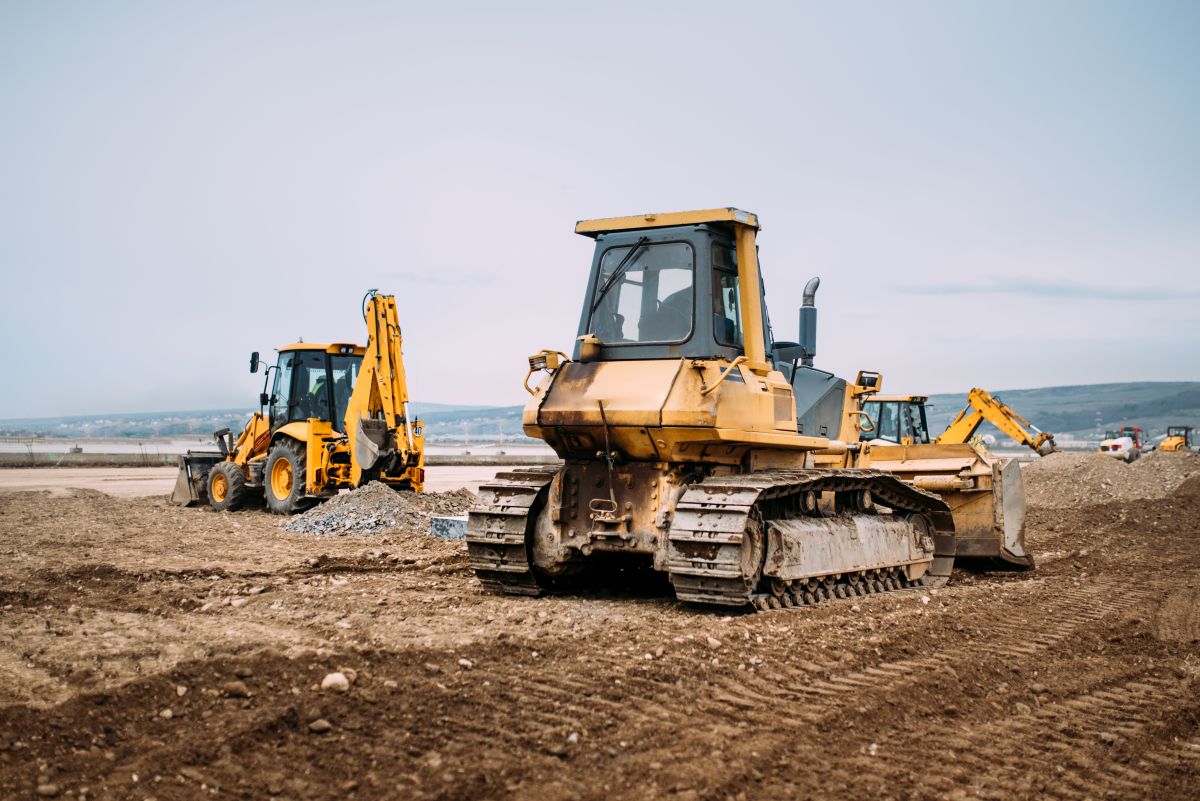
When evaluating financing options, many businesses compare equipment leasing with ownership-based solutions like equipment collateral loans. While both allow companies to access the business equipment they need, they function differently in terms of ownership, long-term value, and financial impact.
What Is Equipment Leasing?
Equipment leasing allows a business to use equipment for a fixed period without owning it. Instead of taking out a loan, the company makes regular payments to use the asset, similar to renting.
Typical characteristics include:
- Lower upfront costs compared to purchasing equipment
- No need for a large down payment in many cases
- Flexible terms depending on the lease agreement
- Option to upgrade equipment at the end of the lease
Leasing is often appealing for businesses that need access to newer equipment without committing to full ownership.
Ownership-Based Lending: A Different Approach
With ownership-based financing—like equipment collateral loans or traditional equipment financing—the business either owns the equipment outright or is working toward ownership through structured loan payments.
In this model:
- The equipment becomes part of the company’s fixed assets
- It contributes to overall business assets and balance sheet strength
- The asset can be reused as collateral for future loans
- Businesses can capture long-term value as the equipment continues to generate revenue
This approach is especially valuable when the equipment has significant resale value or plays a critical role in daily operations.
Key Differences Between Leasing and Collateral-Based Financing
Ownership vs. Use
- Leasing: You pay to use the equipment
- Collateral-based lending: You own (or build equity in) the equipment
Long-Term Value
- Leasing: No asset ownership at the end (in most cases)
- Ownership-based: Equipment becomes part of your business plan and long-term strategy
Flexibility
- Leasing: Easier to upgrade or replace equipment
- Ownership-based: More flexibility in how you use and leverage the asset financially
Cost Structure
- Leasing: Often lower initial costs but may result in higher total cost over time
- Ownership-based: May require a down payment, but can lead to lower long-term costs and stronger ROI
How Credit Score Impacts Approval and Terms
Your credit score is still an important factor in the financing process—but with equipment collateral loans, it’s not the only thing that matters. Because the loan is backed by tangible assets, lenders take a more balanced approach when evaluating risk, often making these loans more accessible than traditional financing.
Why Credit Score Still Matters
Lenders use your credit score and overall financial history to assess how reliably your business will make loan payments. A stronger profile can help you secure:
- Lower interest rates
- More favorable loan terms
- Higher approved loan amount
- Fewer restrictions in the agreement
Businesses with a good credit score and solid financial statements—including balance sheets and tax returns—typically move through the approval process more quickly and with better outcomes.
How Collateral Changes the Equation
Unlike unsecured loans, where approval is heavily dependent on credit alone, equipment collateral loans reduce the lender’s risk by providing a fallback—the asset itself.
This means:
- Businesses with lower credit scores may still qualify
- The value of the equipment becomes a critical factor in loan approval
- Lenders may place more weight on collateral value than credit alone
In many cases, lenders typically approve loans based on a combination of:
- Equipment value and resale potential
- Business performance and revenue stability
- Existing cash flow and ability to handle repayment terms
Credit Score vs. Equipment Value
In collateral-based lending, there’s a balance between your credit profile and the strength of your assets:
- Strong credit + strong assets = best rates and terms
- Average credit + strong assets = still very financeable
- Lower credit + high-value equipment = often still eligible
This is why companies with valuable heavy equipment, vehicles, or other fixed assets often have more financing flexibility than they expect.
What Lenders Look Beyond Credit
Even if your credit isn’t perfect, lenders will look at the full picture, including:
- Consistency in cash flow cycles
- Strength of your business plan
- Available cash reserves
- Existing debt obligations
- Overall business operations
For many businesses, especially those actively seeking financing, this broader evaluation creates more opportunities to secure funding than going through traditional banks alone.
What Types of Business Equipment Can Be Used as Collateral
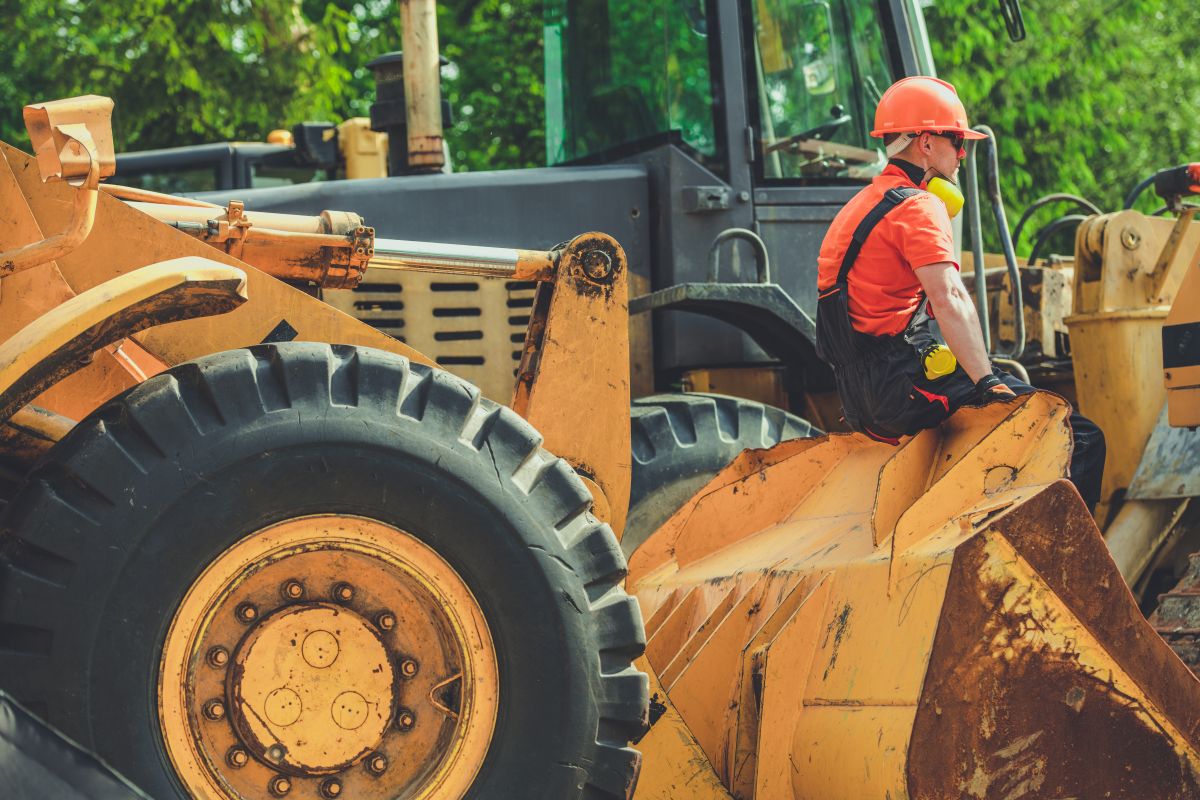
One of the biggest advantages of equipment collateral loans is the wide range of business equipment that can be used to secure funding. As long as the asset has measurable value and resale potential, it can often be leveraged to help secure funding and support ongoing business operations.
Common Types of Equipment Used as Collateral
Lenders work with a variety of industries, so many types of equipment can qualify, including:
- Heavy equipment used in construction, excavation, and site work
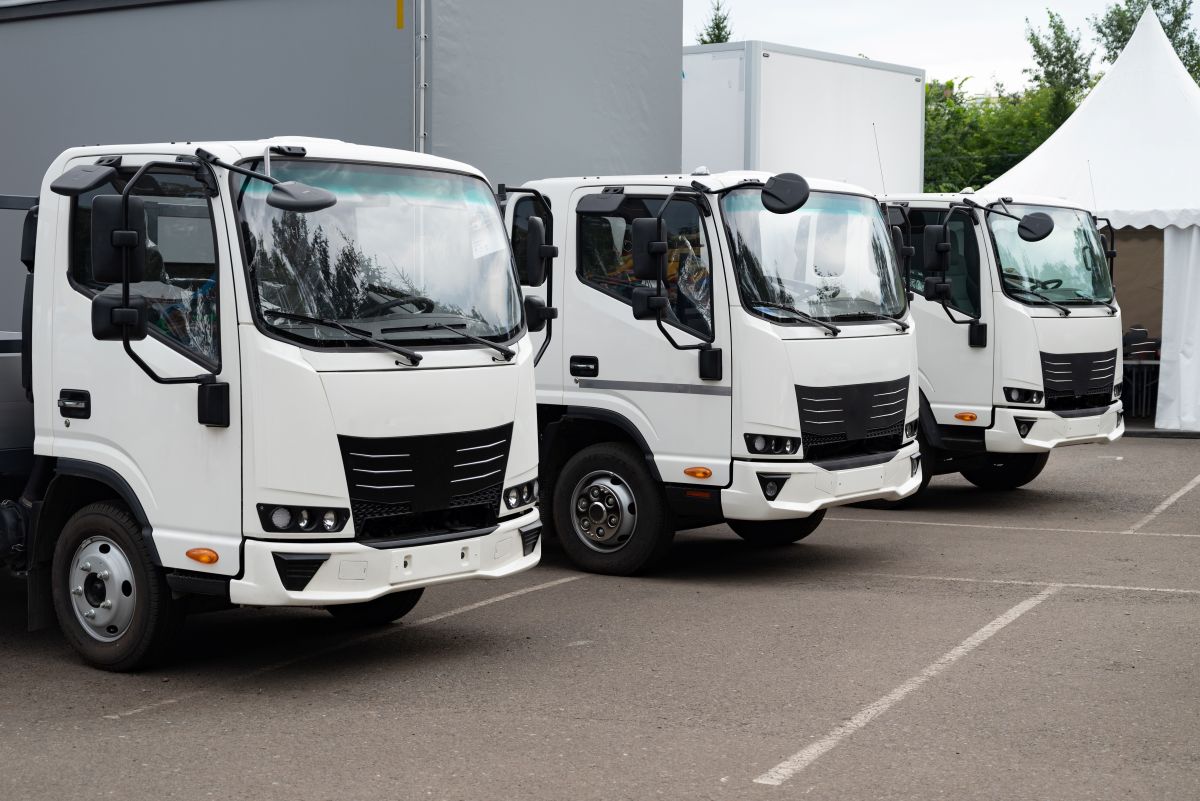
- Fleet vehicles such as trucks, trailers, and delivery vans
- Manufacturing machinery and production line equipment
- Agricultural equipment like tractors and harvesters
- Warehousing and logistics tools, including forklifts and loading systems
- Industry-specific specialized tools that generate revenue
For businesses looking into heavy equipment financing, these types of assets are especially valuable due to their durability and strong resale potential.
What Makes Equipment Eligible for Financing
Not all equipment is treated equally. Lenders typically evaluate several factors to determine if an asset qualifies:
- Current market value and resale demand
- Overall condition and remaining useful life
- Whether the equipment is considered fixed assets or short-term tools
- Market trends and market demand within the industry
- Ease of liquidation if necessary (important for reducing lender’s risk)
Equipment that holds significant resale value and is actively used in revenue generation is far more likely to be approved.
Using Existing Equipment vs. New Equipment
Businesses have two primary ways to leverage equipment:
- Existing Equipment
Companies can use existing equipment or other existing assets they already own outright (or nearly paid off) to unlock capital. This is a common strategy in asset based financing, allowing businesses to tap into value without selling the asset.
- New Equipment Purchases
Businesses can also use financing to acquire equipment, with the new asset serving as collateral from day one. This is often structured similarly to traditional equipment loans but with more flexibility depending on the lender.
How to Finance Heavy Equipment Using Existing Assets
For many businesses, especially those in construction, transportation, and manufacturing, the ability to finance heavy equipment without taking on entirely new debt is a major advantage. Instead of purchasing additional assets, companies can leverage existing equipment or other existing assets to unlock capital and reinvest it back into the business.
Turning Equipment Into Working Capital
If your business already owns valuable heavy equipment, that equipment can be used to generate immediate working capital through collateral-based lending.
This allows you to:
- Access cash without selling critical assets
- Support day-to-day business operations
- Bridge gaps in cash flow cycles
- Take on new projects without waiting for incoming revenue
In this structure, the equipment serves as security while you continue to use it—making it a highly efficient way to maintain productivity while improving liquidity.
How the Process Works
Financing heavy equipment using existing assets typically follows a structured but efficient loan process:
- Asset Review
- The lender evaluates your heavy equipment, including age, condition, and usage.
- Valuation
- A determination is made based on the current market value and overall collateral value of the equipment.
- Loan Structuring
- The lender approves a loan amount based on a percentage of the equipment’s worth.
- Funding
- Once approved, funds are released quickly—often faster than through traditional banks.
- Repayment
- The business repays through structured loan payments, typically aligned with revenue timing.
Why This Strategy Works
Using existing equipment to secure financing is a smart approach for businesses that want to grow without overextending.
Key benefits include:
- No need for large down payment requirements in many cases
- Ability to preserve cash reserves
- Access to flexible financing solutions
- Lower reliance on high-interest unsecured loans
This is especially valuable for companies where equipment represents a significant portion of total business assets.
Important Considerations
While this strategy is effective, there are a few factors to keep in mind:
- Heavy equipment depreciates over time, which can impact available funding
- The equipment value must support the requested loan
- Lenders evaluate how critical the equipment is to revenue generation
- Market conditions and market demand can influence valuation
Despite depreciation, many types of heavy machinery maintain strong resale potential—making them ideal for collateral-based lending.
Real-World Example: Construction Companies
A construction company with multiple paid-off machines can use those assets to fund:
- New project bids
- Labor and material costs
- Expansion into new markets
Instead of tying up cash in new purchases, they can leverage what they already own to keep the business moving business forward.
When Equipment Collateral Loans Make the Most Sense
While equipment collateral loans are a flexible financing solution, they’re not always the right fit for every situation. The real value comes when businesses use them strategically—especially when timing, cash flow, and growth opportunities all align.
Ideal Scenarios for Using Equipment Collateral Loans
These loans tend to make the most sense when a business needs access to capital but wants to avoid disrupting day-to-day business operations.
Common use cases include:
- Covering short-term expenses during uneven cash flow cycles
- Funding expansion without depleting cash reserves
- Taking on larger contracts that require upfront investment
- Bridging gaps between project completion and payment collection
In these scenarios, leveraging business equipment allows companies to stay operational while unlocking the capital needed to move business forward.
Supporting Business Growth Without New Debt Burden
One of the biggest advantages of using equipment as collateral is that it allows businesses to grow without taking on unnecessary risk.
Instead of relying on:
- High-interest unsecured loans
- Restrictive traditional loans from traditional banks
- Limited lines of credit
Businesses can tap into their existing business assets to support business growth in a more controlled and strategic way.
When Cash Flow Is Tight but Opportunities Are Strong
Many businesses face situations where opportunity and timing don’t align with available cash.
For example:
- A company secures a large contract but needs funds upfront
- Seasonal businesses experience fluctuations in revenue
- Growth opportunities require immediate investment in labor or materials
In these cases, equipment collateral loans provide access to working capital without forcing the business to delay progress or miss out on revenue-generating opportunities.
When You Want to Preserve Equity and Ownership
Unlike some forms of financing that may involve giving up ownership or equity, equipment-based lending allows businesses to maintain full control.
By using tangible assets instead of equity:
- Ownership remains intact
- Decision-making stays internal
- Long-term value stays within the company
This makes it a preferred option for businesses focused on sustainable, independent growth.
When Other Financing Options Fall Short
Equipment collateral loans are also a strong option when:
- A credit score isn’t high enough for traditional approval
- The business doesn’t meet strict requirements for SBA loans or small business administration programs
- There’s limited access to conventional financing options
Because the loan is backed by assets, lenders typically take a more flexible approach during the approval process, making it easier for businesses seeking financing to find a workable solution.
When They May Not Be the Best Fit
While effective, these loans may not be ideal if:
- The equipment has low collateral value or limited resale demand
- The business doesn’t have sufficient assets to support the desired loan amount
- Short-term financing needs are better suited for revolving options like lines of credit
Understanding these limitations helps ensure the financing strategy aligns with both immediate needs and long-term goals.
Do You Need a Down Payment for Equipment Collateral Loans?
One of the most common questions businesses have is whether a down payment is required for equipment collateral loans. The answer depends on several factors—but in many cases, these loans require less upfront capital than traditional financing.
When a Down Payment Is Required
Some lenders may require a down payment based on the overall risk profile of the loan. This is more likely when:
- The requested loan amount exceeds a certain percentage of the equipment’s value
- The equipment has lower collateral value or limited resale demand
- The business has a weaker financial history or inconsistent cash flow
- The lender needs to reduce overall lender’s risk
In these situations, a down payment helps offset risk and ensures the borrower has equity in the asset from the start.
When You May Not Need a Down Payment
One of the key benefits of equipment collateral loans is that the equipment itself often eliminates the need for a large upfront investment.
A down payment may not be required when:
- The equipment has strong current market value and high demand
- The loan falls within an acceptable loan-to-value range
- The business demonstrates stable cash flow cycles
- The borrower has a solid credit score or strong supporting financial documents
This makes equipment-based financing appealing for businesses looking to minimize equipment upfront costs while still accessing capital.
Understanding Loan-to-Value (LTV)
Instead of focusing solely on a down payment, lenders typically look at the percentage of the equipment’s value they’re willing to finance—commonly referred to as loan-to-value (LTV).
For example:
- If equipment is valued at $100,000
- A lender may approve financing for 70–90% of that value
The difference between the loan and the total value may represent the required down payment—if any.
How This Impacts Cash Flow
Reducing or eliminating a down payment can have a significant impact on your business’s financial flexibility.
Benefits include:
- Preserving cash reserves for daily business operations
- Maintaining liquidity for growth opportunities
- Allowing for more predictable loan payments over time
This is especially important for businesses managing tight margins or fluctuating cash flow cycles.
Other Costs to Consider
Even if a down payment isn’t required, businesses should still account for:
- Interest rates and total financing cost
- Potential prepayment penalties
- Fees associated with the loan process
- Ongoing repayment terms and obligations
Understanding the full structure of the loan helps avoid surprises and ensures it aligns with your overall business plan.
Steps to Secure an Equipment Collateral Loan

Securing an equipment collateral loan is typically more straightforward than many traditional financing routes, but understanding the full loan process can help you move faster and improve your chances of approval. From preparation to funding, each step plays a role in how quickly and effectively you can secure funding.
1. Evaluate Your Equipment and Financing Needs
Start by identifying:
- The business equipment you plan to use as collateral
- Whether the asset is owned asset outright or still financed
- The estimated equipment value and current market value
- How much capital you need and the ideal loan amount
This step ensures your financing aligns with your business operations and overall business plan.
2. Gather Financial Documents
Even though the equipment plays a major role, lenders still review your financial profile. Be prepared to provide:
- Recent financial statements
- Balance sheets and income statements
- tax returns
- Business bank statements
These financial documents help lenders evaluate your financial history, cash flow, and ability to manage loan payments.
3. Submit Your Application
Once your documentation is ready, you’ll formally begin the approval process by submitting an application.
At this stage, lenders typically review:
- Your credit score (though it’s not the only factor)
- The strength of your business assets
- Your ability to maintain consistent repayment terms
For businesses seeking financing, this step is often faster than applying through traditional banks.
4. Equipment Appraisal and Valuation
The lender will assess the collateral value of your equipment to determine how much they’re willing to lend.
This includes evaluating:
- Age and condition
- Usage and remaining lifespan
- Market trends and market demand
- Overall resale potential
The approved funding is typically a percentage of the equipment’s value, which directly impacts the final loan amount.
5. Review Loan Terms and Accept the Offer
Once approved, you’ll receive a financing offer outlining:
- Interest rates
- Repayment terms
- Monthly loan payments
- Any fees or prepayment penalties
Carefully review these details to ensure they align with your cash flow cycles and long-term goals.
6. Receive Funding and Put It to Work
After accepting the terms, funds are disbursed—often quickly compared to other loan programs.
At this point, you can:
- Support daily business operations
- Invest in growth initiatives
- Stabilize cash flow
- Take advantage of new opportunities
All while continuing to use your equipment as usual.
Get Started with Equipment Financing Today
If your business relies on equipment to operate and grow, there’s a strong chance those assets can work harder for you. At Charter Capital, we help businesses navigate equipment financing, heavy equipment financing, and customized financing solutions designed to align with real-world cash flow cycles and growth plans.
Reach out today to explore your options and secure the funding your business needs.