
For many businesses, equipment is not just a line item on a balance sheet; it is the engine that keeps daily operations running. Whether it is a fleet of excavators on a job site, CNC machines on a factory floor, or refrigerated trucks making deliveries, that equipment represents real, tangible value. And for business owners who need capital but struggle to qualify through traditional bank loans, that value can be the key to unlocking the financing they need.
Asset-based equipment financing is a type of business financing that uses equipment as collateral to secure a loan or line of credit. Rather than relying primarily on a borrower’s credit history or a company’s cash flow, lenders evaluate the value of the equipment itself to determine how much funding can be extended. This makes it a powerful option for businesses that are asset-rich but may face:
- Uneven cash flow from seasonal or cyclical revenue
- A limited or imperfect credit history
- Difficulty meeting the strict requirements of traditional bank loans
- A need for capital that outpaces what conventional lenders will offer
In this guide, we will break down exactly how asset-based equipment financing works, walk through the step-by-step process, highlight real-world examples across key industries, and outline the benefits and considerations every borrower should understand before moving forward.
Asset-Based Equipment Financing vs. Traditional Financing
When most business owners think about financing, they picture the traditional bank loan process: submitting tax returns, proving strong revenue, meeting debt service coverage ratios, and waiting weeks for credit approval. For businesses with strong financials and an established credit history, that process works well. But for many others, it creates a significant barrier to accessing much-needed capital.
Asset-based equipment financing takes a different approach. Instead of placing the heaviest weight on a borrower’s credit profile or a company’s cash flow, lenders focus primarily on the value of the business equipment being used as collateral. This shift in focus opens the door for a much broader range of borrowers to qualify.
Here is a side-by-side look at how the two approaches compare:
| Factor | Asset-Based Equipment Financing | Traditional Bank Loans |
| Primary qualification factor | Value of equipment/assets | Credit history and cash flow |
| Best for | Asset-rich businesses, uneven cash flow | Businesses with strong financials |
| Collateral required | Yes, the equipment secures the loan | Varies, often required |
| Credit history weight | Lower emphasis | High emphasis |
| Debt service coverage | Less restrictive | Strictly evaluated |
| Required down payment | Often lower or none | Typically required |
| Approval speed | Generally faster | Can be lengthy |
| Flexibility | Higher | Lower |
It is worth noting that asset-based equipment financing is not a replacement for traditional loans in every situation. For businesses that do qualify conventionally, traditional financing may offer lower interest rates or longer repayment terms. However, for businesses that need flexibility, have sufficient assets, or simply cannot meet the strict requirements of most financial institutions, asset-based financing provides a practical and often faster path to capital.
The core distinction comes down to this: traditional lenders lend against your financial profile, while asset-based lenders lend against the value of what your business owns.
How the Asset-Based Equipment Finance Program Works: Step by Step

Understanding the process behind an asset-based equipment finance program can help borrowers know what to expect and prepare accordingly. While every lender may have slightly different requirements, the general process follows a consistent path from initial inquiry to funding.
Step 1: Initial Application
The process begins with a straightforward application. Borrowers provide basic information about their business and the equipment they intend to use as collateral. This typically includes:
- Business name, structure, and time in operation
- Description of the equipment (make, model, age, and condition)
- Estimated equipment value
- Intended business purpose for the funds
- Basic financial information
Unlike traditional bank loans, many lenders in the asset-based space keep this a simple process, with less emphasis placed on personal credit scores or extensive financial documentation upfront.
Step 2: Equipment Appraisal and Collateral Assessment
Once the application is submitted, the lender will conduct a collateral assessment to determine the value of the equipment being used to secure the loan. Depending on the size and complexity of the deal, this may involve:
- An internal review of market data and equipment condition
- Third-party appraisals for high-value or specialized machinery
- A field examination to physically inspect the equipment and verify its condition
The appraised value of the equipment directly impacts the borrowing capacity extended to the borrower. Most lenders will advance a percentage of the equipment’s appraised value, commonly referred to as the advance rate.
Step 3: Determining the Borrowing Base
With the collateral assessment complete, the lender establishes the borrowing base. This is the total amount of funding available to the borrower, calculated as a percentage of the eligible collateral value. For example:
| Equipment Appraised Value | Advance Rate | Available Funding |
| $500,000 | 80% | $400,000 |
| $250,000 | 75% | $187,500 |
| $1,000,000 | 70% | $700,000 |
This borrowing base may also factor in other business assets, such as accounts receivable or inventory if the lender offers a broader asset-based lending facility.
Step 4: Loan Structure and Terms
Once the borrowing base is established, the lender presents the loan structure. Borrowers should expect to review:
- Loan or credit line amount
- Interest rates and how they are calculated
- Repayment terms and a monthly payment schedule
- Any covenant requirements or reporting obligations
- Whether the facility is structured as a term loan, revolving line of credit, or equipment lease
Step 5: Approval and Funding
After the borrower agrees to the loan terms, final credit approval is issued, and funds are disbursed. In many cases, asset-based equipment financing moves faster than traditional financing, making it a strong option for businesses that need capital quickly to seize an opportunity or address an urgent business need.
Types of Equipment That Qualify as Collateral
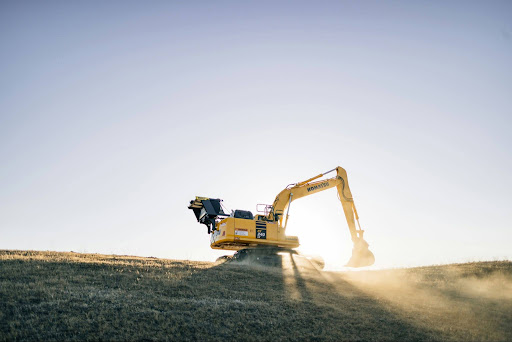
One of the most common questions borrowers have is whether their specific equipment will qualify as collateral under an asset-based equipment financing arrangement. The good news is that a wide range of business equipment can be used to secure funding, spanning nearly every major industry.
In general, lenders look for equipment that meets the following criteria:
- It has a verifiable and assessable market value
- It is used for a legitimate business purpose
- It has a reasonable remaining useful life
- It can be liquidated or resold if necessary
Below is a breakdown of common equipment categories that most lenders will consider:
| Industry | Examples of Qualifying Equipment |
| Construction | Excavators, bulldozers, cranes, loaders, dump trucks, heavy machinery |
| Manufacturing | CNC machines, assembly line equipment, industrial presses, forklifts |
| Transportation | Semi-trucks, trailers, refrigerated vehicles, delivery fleets |
| Agriculture | Tractors, harvesters, irrigation systems, planting equipment |
| Medical and Healthcare | Diagnostic imaging equipment, surgical tools, patient monitoring systems |
| Technology | Computer hardware, servers, networking infrastructure |
| Office and Professional | Office furniture, printing equipment, phone systems |
| Food Service | Commercial ovens, refrigeration units, food processing equipment |
It is important to note that not all equipment will qualify, and lenders will evaluate each piece on a case-by-case basis. Equipment that may face limitations includes:
- Highly specialized machinery with a very limited resale market
- Equipment that is significantly depreciated or in poor condition
- Used equipment with insufficient remaining useful life
- Items that are difficult to repossess or liquidate, such as equipment that has been permanently installed or customized beyond standard use
In addition to traditional equipment purchases, many lenders will also consider used equipment as eligible collateral, provided it meets their value and condition requirements. This opens up additional opportunities for businesses that are acquiring pre-owned assets rather than purchasing new equipment outright.
When in doubt, the best approach is to discuss the specific equipment with your lender early in the process. A transparent collateral assessment upfront will save time and set clear expectations before moving forward.
Real-World Examples
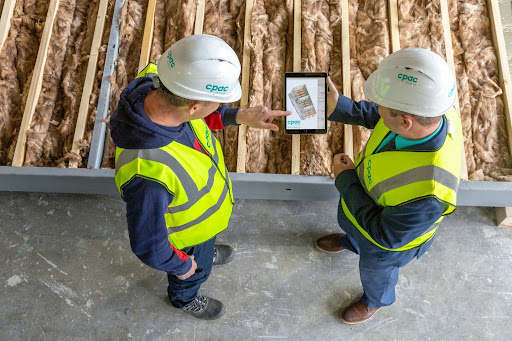
To better understand how asset-based equipment financing works in practice, it helps to look at how real businesses across different industries use this type of financing to solve common challenges and fuel growth.
Example 1: A Construction Company Needs to Scale Up Fast
A mid-sized construction company lands a major commercial contract but lacks the heavy machinery needed to complete the job on time. Purchasing the necessary equipment outright would drain their cash reserves, and their uneven cash flow from project-based revenue makes qualifying for traditional bank loans difficult.
By leveraging their existing heavy machinery as collateral through an asset-based equipment finance program, they secure a credit line to acquire two additional excavators and a fleet of dump trucks. The equipment secures the loan, monthly payments are structured around the project timeline, and the business is able to take on the contract without disrupting their daily operations or depleting working capital.
Example 2: A Manufacturing Business Modernizes Its Operations
A regional manufacturer has been operating with aging equipment that is slowing production and increasing maintenance costs. They need to upgrade to new CNC machines and industrial presses, but do not have the cash flow to fund the purchases outright. Their credit history includes some past challenges that have made traditional loans difficult to obtain.
Rather than leasing equipment through a standard equipment lease or taking on high-interest business loans, they work with a lender that specializes in asset-based financing. The lender conducts third-party appraisals on their existing machinery and uses that value to establish a borrowing base. The manufacturer receives funding to purchase new equipment, with repayment terms tied to the expected productivity gains from the upgraded machinery. The transaction preserves working capital while modernizing their asset base.
Example 3: A Transportation Company Expands Its Fleet
A growing trucking company wants to add five new semi-trucks to meet increasing demand from a large retail client. The total cost of the fleet expansion is significant, and the company does not want to commit to a long-term lease agreement that limits its flexibility. They also want to avoid a large required down payment that would strain their cash reserves.
Through asset-based equipment financing, they use their existing fleet as collateral to secure an equipment loan for the new trucks. The borrowing capacity is determined by the appraised value of their current assets, and the new trucks are folded into the collateral pool once acquired. The company expands its fleet, fulfills the new client contract, and maintains the working capital needed to cover fuel, payroll, and other business operations costs.
Example 4: A Startup Without an Established Credit History
A newly launched medical equipment company needs to acquire diagnostic imaging machines to begin serving clients, but has no established credit history and limited business assets. Most financial institutions and traditional lenders decline their application due to the lack of operating history.
An asset-based lender evaluates the value of the diagnostic equipment being purchased and structures a loan where the equipment itself serves as the primary collateral. The startup secures the necessary equipment, begins generating revenue, and builds its credit profile over time. What could have been a dead end with traditional financing becomes a straightforward path to getting the business off the ground.
Benefits of Asset-Based Equipment Financing
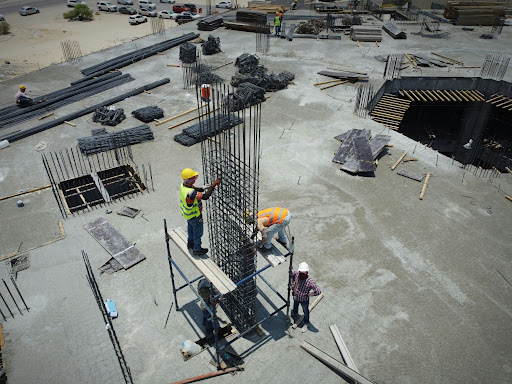
Asset-based equipment financing offers a number of distinct advantages over other forms of business financing, particularly for companies that have strong assets but may not fit the mold of a traditional borrower. Below are the key benefits that make this financing solution worth considering.
Access to Capital That Might Otherwise Be Out of Reach
One of the most significant advantages of asset-based equipment financing is that it provides access to much-needed capital for businesses that may not qualify through conventional channels. Because the equipment secures the loan rather than the borrower’s credit profile alone, companies with the following circumstances can still access the funding they need to grow, modernize, or sustain their business operations:
- Limited or imperfect credit history
- Uneven cash flow or seasonal revenue patterns
- Short operating history
- Past financial challenges
Flexible Qualification Standards
Compared to traditional bank loans, asset-based loans typically come with more flexible qualification requirements. Most lenders place greater emphasis on the value of the collateral than on metrics like debt service coverage ratios or personal credit scores. This makes the credit approval process more accessible for a broader range of borrowers.
Preserves Working Capital
Rather than depleting cash reserves to purchase equipment outright, asset-based equipment financing allows businesses to spread the cost of equipment purchases over time. This preserves working capital for other critical business needs, such as:
- Payroll and staffing
- Inventory purchases
- Accounts receivable gaps
- Marketing and business development
- Unexpected operational expenses
Scalable Borrowing Capacity
As a business grows and acquires more assets, the borrowing base can grow alongside it. Many asset-based finance programs offer revolving lines of credit that scale with the value of the business’s asset base, giving borrowers ongoing access to capital without needing to apply for new loans each time their needs change.
Faster Access to Funds
Compared to the lengthy approval timelines often associated with traditional loans, asset-based equipment financing typically moves faster. Because the focus is on collateral value rather than extensive financial underwriting, many lenders can move from application to funding more efficiently, which is critical for businesses that need to act quickly on equipment purchases or time-sensitive opportunities.
Fewer Covenant Restrictions
Traditional bank loans often come with strict covenant requirements that restrict how a business can operate, such as maintaining certain cash flow levels or limiting additional debt. Asset-based financing generally comes with fewer of these restrictions, giving borrowers more freedom to run their business without constantly checking against lender-imposed conditions.
A Range of Financing Structures
Asset-based equipment financing is not a one-size-fits-all product. Depending on the lender and the borrower’s business needs, financing may be structured as shown in the table below:
| Structure | Best For |
| Term Loan | Purchasing specific equipment with fixed monthly payments |
| Revolving Line of Credit | Ongoing equipment needs with fluctuating borrowing activity |
| Equipment Lease | Businesses that prefer to use rather than own equipment |
| Sale-Leaseback | Unlocking capital from equipment already owned by the business |
This flexibility allows businesses to choose the structure that best aligns with their cash flow, repayment terms preferences, and long-term goals.
Potential Considerations to Keep in Mind

While asset-based equipment financing offers significant advantages for many businesses, it is important to go in with a clear understanding of the potential considerations involved. Like any financing solution, it is not without its complexities, and being informed upfront will help borrowers make the best decision for their situation.
Equipment Value Drives Everything
The entire structure of an asset-based loan is built around the value of the collateral. This means that if the equipment depreciates significantly, the borrowing base can shrink alongside it. Borrowers should keep the following in mind:
- Equipment that depreciates quickly may reduce available credit over time
- Lenders will periodically reassess collateral value, which can affect the credit line
- Specialized or niche equipment may be assigned a lower advance rate due to a limited resale market
- Used equipment may qualify for lower advance rates than new equipment
Cost Compared to Traditional Loans
Asset-based equipment financing can carry higher interest costs than traditional bank loans in some cases. This is largely due to the additional administrative work involved, including collateral assessments, third-party appraisals, and ongoing monitoring. Borrowers should:
- Compare interest rates and the total cost of financing across multiple lenders
- Factor in any origination fees, appraisal costs, or monitoring fees when evaluating the true cost
- Weigh the higher interest costs against the value of accessing capital that may not be available through other financial institutions
It is also worth noting that while interest rates may be higher than traditional loans in some cases, asset-based financing typically offers lower interest costs than alternatives like merchant cash advances or unsecured business loans.
Reporting and Monitoring Requirements
Unlike many traditional loans, where borrowers make monthly payments and have minimal ongoing interaction with the lender, asset-based financing programs often require regular reporting to keep the lender informed about the status of the collateral. This may include:
| Reporting Requirement | Frequency |
| Borrowing base certificate updates | Monthly or weekly |
| Equipment condition reports | Periodically |
| Field examinations | Annually or as required |
| Financial statements | Monthly or quarterly |
While this level of oversight can feel more intensive than a standard business loan, many lenders have streamlined this process through online portals and automated reporting tools, making it far less burdensome than it once was.
Not All Equipment Qualifies
As discussed in the collateral section, not every piece of business equipment will meet a lender’s requirements. Businesses should be prepared for the possibility that:
- Some equipment may be deemed insufficient collateral due to age or condition
- Highly customized or industry-specific machinery may receive a lower valuation
- Equipment that has been permanently installed may be difficult to use as collateral
- Lenders may require sufficient assets beyond just the equipment being financed
Down Payment and Equity Requirements
While asset-based equipment financing often requires a lower required down payment than traditional loans, some lenders may still require a contribution from the borrower, depending on the loan structure and the borrower’s overall financial profile. Borrowers with a stronger asset base and cleaner credit history may be able to negotiate more favorable terms, including reduced or waived down payment requirements.
Personal Credit May Still Be a Factor
While asset-based lenders place less emphasis on personal credit than traditional lenders, personal credit history is not always entirely irrelevant. Some lenders, particularly for smaller business equipment loans, may still review personal credit as part of the overall credit approval process. Borrowers should be transparent about their full financial picture from the start to avoid surprises during underwriting.
Who is a Good Candidate?
One of the most compelling aspects of asset-based equipment financing is how broadly it can apply across industries, business sizes, and financial situations. While it is not the right fit for every borrower, it serves a wide range of business needs that traditional financing simply cannot accommodate. Here is a closer look at the types of businesses that tend to benefit most.
Businesses with Strong Assets but Uneven Cash Flow
Companies that own valuable equipment or other business assets but experience seasonal or cyclical revenue fluctuations are often ideal candidates. Because the lender focuses on collateral value rather than consistent cash flow, these businesses can access capital even during slower periods. Common examples include:
- Construction companies with project-based revenue cycles
- Agricultural businesses with seasonal income patterns
- Retailers that experience significant holiday-driven revenue swings
- Transportation companies whose volume fluctuates with economic conditions
Businesses That Cannot Qualify for Traditional Bank Loans
Many businesses have the assets and the operational track record to support a loan, but fall short of the strict requirements set by most financial institutions. Asset-based equipment financing provides a viable alternative for:
- Businesses with a limited or imperfect credit history
- Companies that have been turned down by traditional lenders
- Businesses with high existing debt levels that affect debt service coverage ratios
- Companies operating in industries that traditional banks view as higher risk
Startups and Early-Stage Businesses
Newer businesses often struggle to access capital simply because they lack the operating history that most lenders require. Asset-based financing levels the playing field by focusing on the value of the equipment being financed rather than years of financial statements. This makes it particularly valuable for:
- Startups acquiring the necessary equipment to launch operations
- Early-stage businesses that need to build their asset base quickly
- New companies that have not yet established a formal credit history
Growing Businesses That Need to Scale
Established businesses experiencing rapid growth often find that their financing needs outpace what traditional loans can provide. Asset-based equipment financing offers a scalable solution that grows alongside the business. It is a strong fit for:
- Companies expanding into new markets or locations
- Businesses winning larger contracts that require additional equipment
- Operations that need to modernize or upgrade their asset base to remain competitive
Businesses Looking to Preserve Cash Flow
Even businesses that could potentially purchase equipment outright may choose asset-based financing strategically to preserve their working capital. Rather than tying up large amounts of cash in equipment purchases, they use financing to spread costs over time while keeping funds available for:
- Day-to-day business operations
- Payroll and staffing needs
- Inventory and accounts receivable management
- Growth initiatives and new opportunities
The table below summarizes the borrower profiles that tend to be the strongest candidates for asset-based equipment financing:
| Borrower Profile | Why Asset-Based Financing Works |
| Seasonal or cyclical businesses | Qualification based on assets, not consistent cash flow |
| Businesses with credit challenges | Equipment value drives approval, not credit score alone |
| Startups and new businesses | Equipment secures the loan without extensive financial history |
| Rapidly growing companies | Borrowing capacity scales with growing asset base |
| Cash flow-conscious businesses | Preserves working capital while funding equipment purchases |
| Businesses declined by traditional lenders | Alternative path to capital outside of conventional channels |
In short, asset-based equipment financing is designed to serve businesses at all stages and in all circumstances, provided they have sufficient assets to support the financing. It is a flexible, inclusive approach to business financing that opens doors that traditional loans often keep closed.
Charter Capital’s Equipment Financing Solutions
Finding the right financing partner can make all the difference when it comes to securing the capital your business needs to grow, operate, and compete. At Charter Capital, we specialize in equipment financing solutions designed to serve a wide range of borrowers, including those who may have been turned away by traditional banks or other financial institutions.
Whether you are a startup acquiring your first pieces of necessary equipment, an established business looking to expand your asset base, or a company navigating uneven cash flow and credit challenges, we have financing solutions built around your specific situation. Our approach focuses on what matters most: the value of your business equipment and your ability to put that capital to work.
Why Businesses Choose Charter Capital:
- We work with all types of borrowers, including those with limited or imperfect credit history
- We offer flexible repayment terms tailored to your business needs and cash flow
- We provide fast, straightforward credit approval with less red tape than traditional lenders
- We finance a broad range of equipment across virtually every industry
- We structure deals as term loans, revolving lines of credit, equipment leases, and more
- We keep the process simple, transparent, and focused on getting you funded
Our Equipment Financing Solutions at a Glance:
| Financing Option | Best For |
| Asset-Based Equipment Loans | Businesses using existing or new equipment as collateral |
| Revolving Lines of Credit | Ongoing equipment needs with flexible borrowing activity |
| Equipment Leasing | Businesses that prefer to use equipment without owning it outright |
| Sale-Leaseback Programs | Unlocking capital from equipment your business already owns |
| Startup Equipment Financing | New businesses acquiring necessary equipment without an established credit history |
At Charter Capital, we believe that access to business financing should not be limited to businesses with perfect financials. Every company deserves a path to the equipment and capital they need to succeed, and we are committed to finding that path for every borrower we work with.
Ready to explore your options? Let’s have a conversation!